2023 ap art
investigation
An exploration of the natural world.
EMMA RUGANIS
Written
Statement

The central idea of my investigation is exploring natural chaos. The world around us is completely built upon a unique, delicate structure that, when looked at with a holistic view, is chaotic. However, it is able to survive and embrace this quality to create something as beautiful as nature, which I wanted to explore and embrace through my pieces.
In my pieces, I utilized reusable materials as my medium to tie in my passion for the environment and sustainability. Many of the materials I collected already had organic shapes, such as creases and layers with different patterns, so I responded to and embraced those qualities.
Throughout the process of creating my investigation, I never truly knew how my pieces would turn out as I was leaving the process completely up to the material's nature. However, this helped me to further explore how the chaotic and organic aspects of my pieces can reflect the same qualities in the natural world. It also helped me to let go of the control I wanted to have over my art, instead finding beauty in what was already there but being overlooked.


My investigation started off as a way to showcase nature and reusability. However, as my pieces continued, I began to realize that the materials I was using had organic elements that I could use to craft pieces unique to the medium and it's nature.
Pieces 4 through 8 surrounded outlining crease lines in paper bags that had resulted from crumpling them up and reacting to the results.
I explored ways that I can utilize the underside of cardboard in pieces 1, 2, 3, 9, and 13.
Later in 14 and 15, I utilized the same technique from my earlier paper bag art to create art on materials like recycled candy bags and wrapping paper, both of which adding reflections to my pieces.
I also explored the utilization of both organic and geometric shapes along with how they can compliment each other in pieces 10 through 13.
SUSTAINED INVESTIGATION
#1
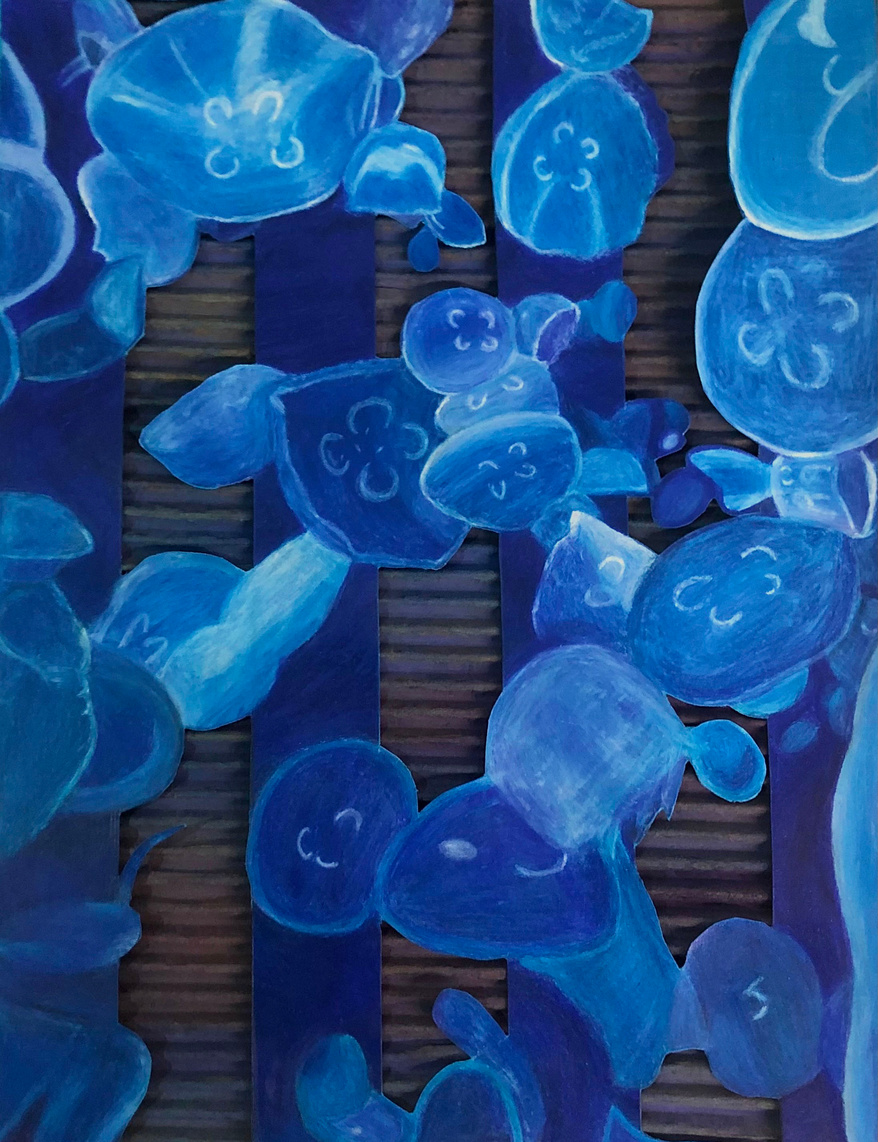
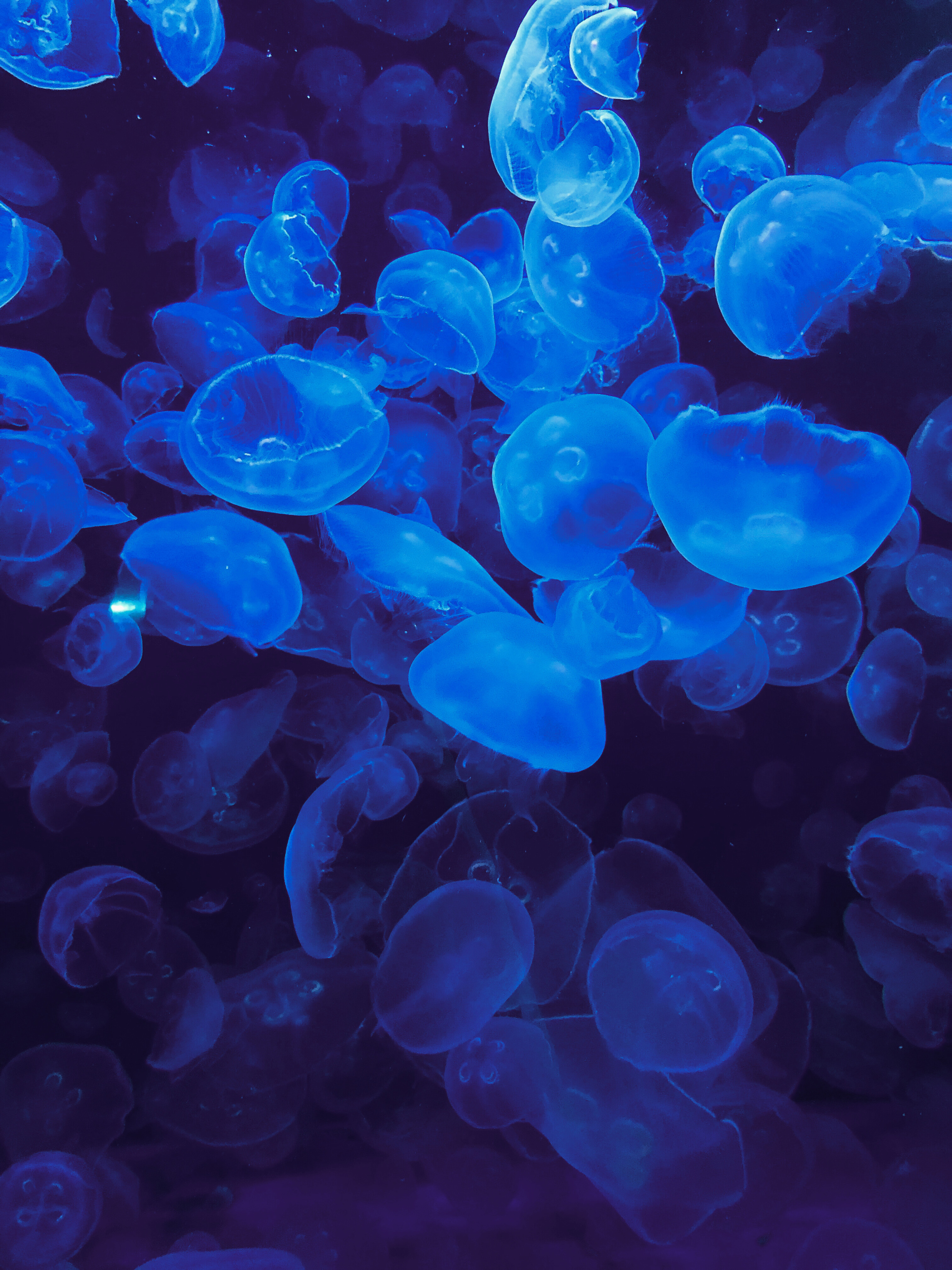
Bioluminescence
Created Using Cardboard, Colored Pencil, Cardstock Paper, Watercolors
I included jellyfish in this piece to showcase my passion for the environment and marine biology.
The use of the ripples in cardboard create geometric and organic contrast along with demonstrating my first sign of taking risks with my art.
In this case, the risk was cutting out large sections of the original drawing.
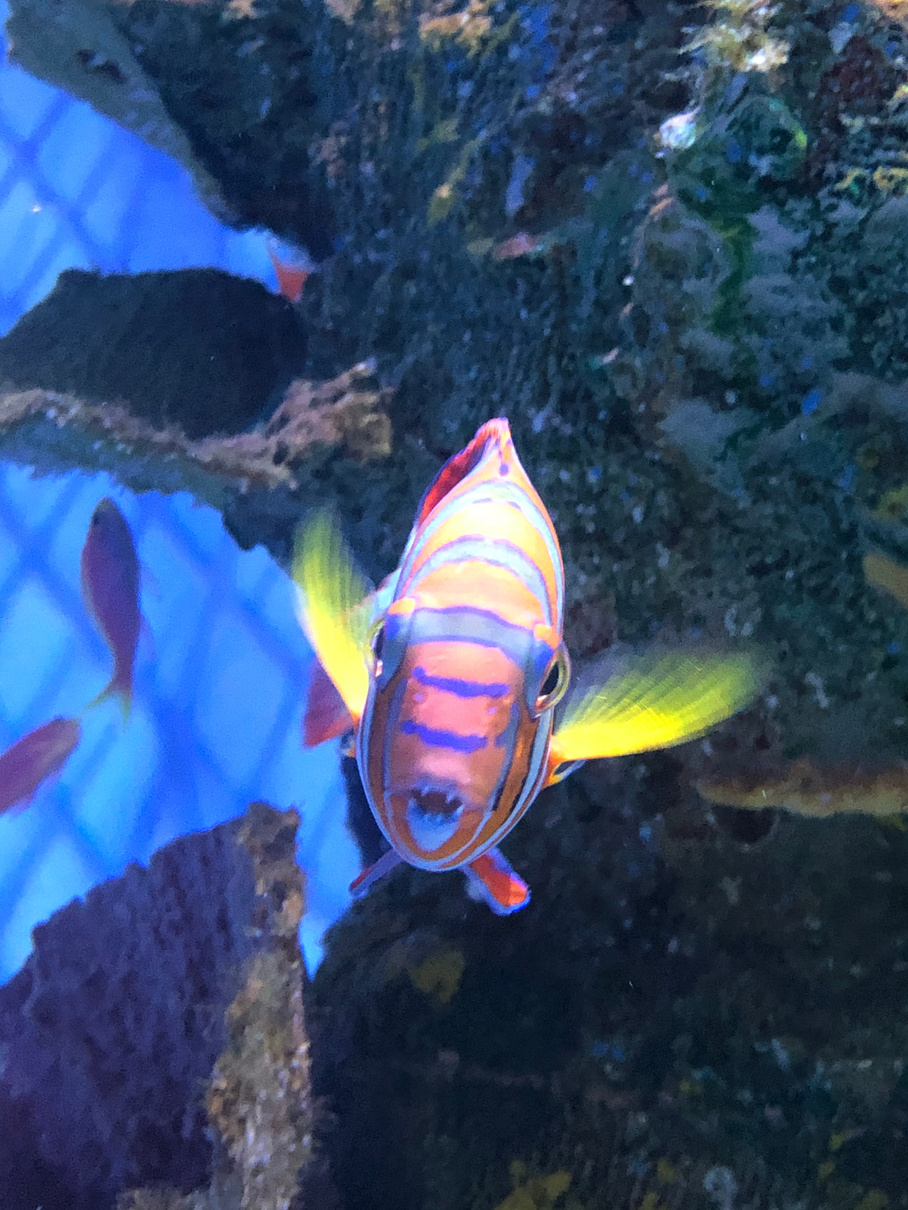
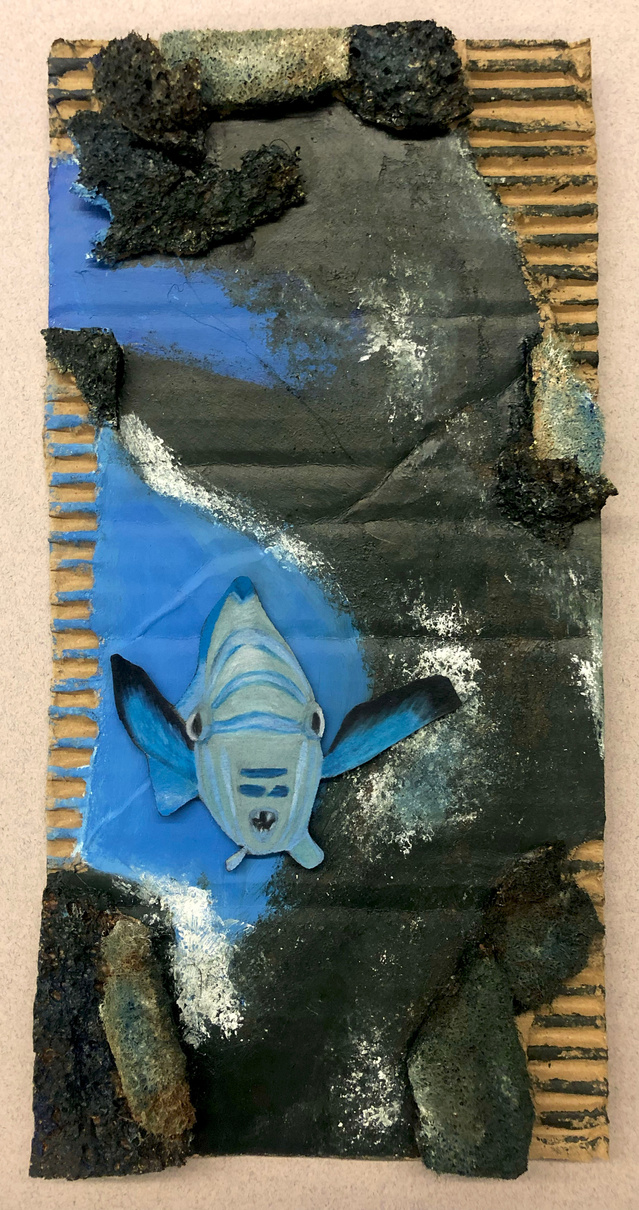
Harlequin
Created Using Cardboard, Acrylic Paint, Paper, Sponges
I began my exploration of three-dimensional materials and embracing their texture. In Harlequin, I used sponge to stimulate coral and rock. I also used the sponge to add color to the cardboard ridges, which brought even more texture.
This made the piece feel more rough and organic as the the sponge didn't completely cover the areas I put paint on. The rough nature of the piece is enhanced by the fish's angry expression, bringing both direct and indirect qualities to create emotion in the piece.
#2
#3
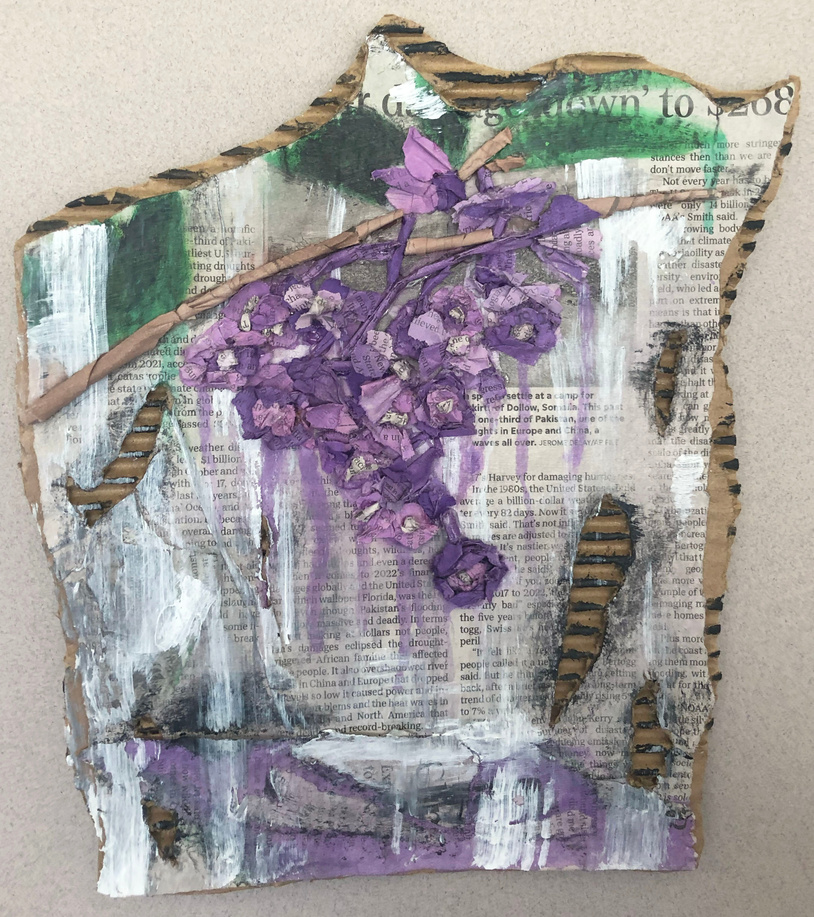
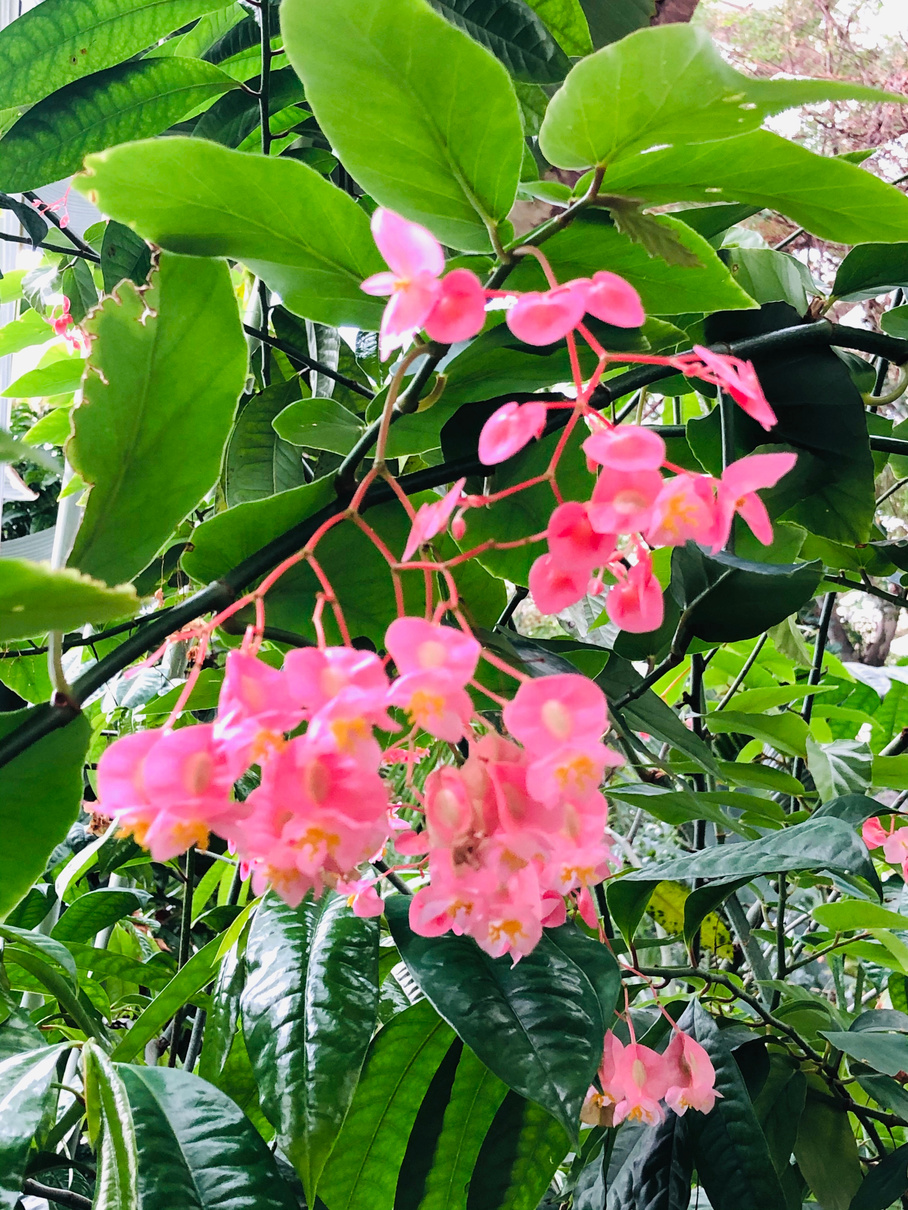
Lique
Created Using Cardboard, Newspaper, Acrylic Paint, Sponge, Watercolor
In my sustained investigation I wanted to showcase aspects of climate change, but not in an obvious form. So, I decided to create melting flowers and leaves, giving the piece a destructive nature. As I continued to explore texture, I layered the newspaper and ripped out sections of it to reveal the cardboard ripples underneath.
All of the flowers and branches are created out of rolled newspaper,
creating 3-dimensional aspects
to Lique.
#4
Overflow
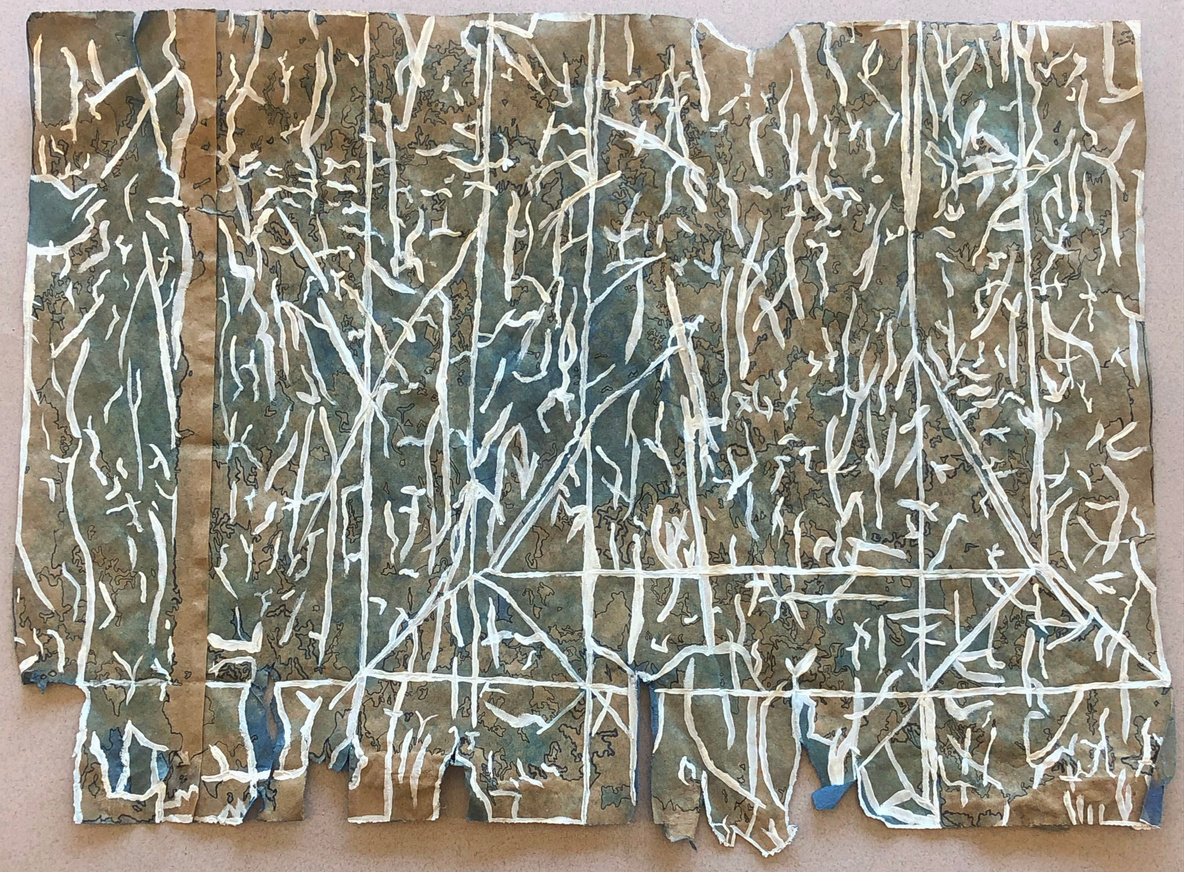
Created Using Deconstructed Paper Bag,
Acrylic Paint, Watercolor, Permanent Marker
This was the first process in which I truly let go of the control I was so used to having around my art. To embrace this new aspect, I completely covered one side of a paper bag with watercolor then flipped to the other side and outlined the spills of color that had seeped through in black.
While the blue was outlined, I began to notice the wrinkles in the bag that created unique patterns and geometric shapes. In response, I experimented with
tracing them in white to highlight their unique pattern.
#5
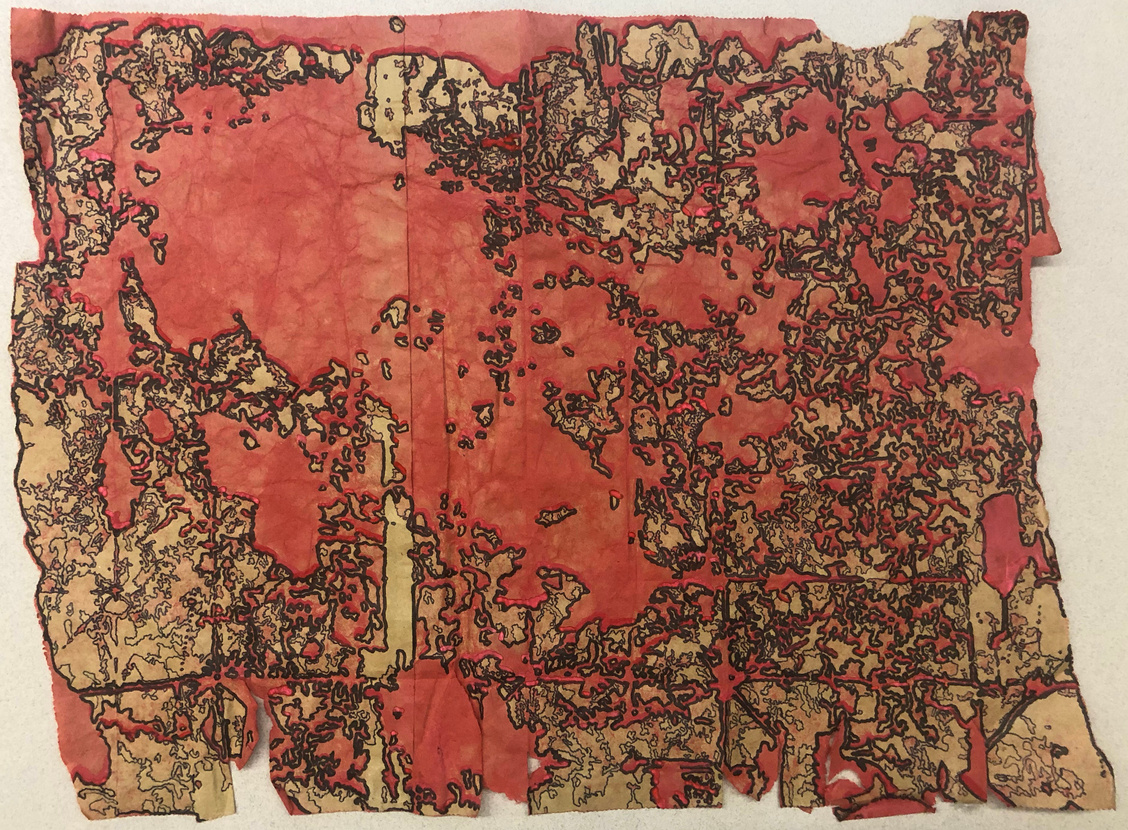
Crimson
Created Using Deconstructed Paper Bag, Watercolor, Permanent Marker
I began to explore how the weight of lines can create depth. I also experimented with creating depth through outlining the traced shapes with darker paint.
The technique was similar to Piece 4 in that both involved covering a paper bag with watercolor and tracing what seeped through. However, in this piece I did not spend as much time outlining bag creases as I did tracing differently saturated shapes.
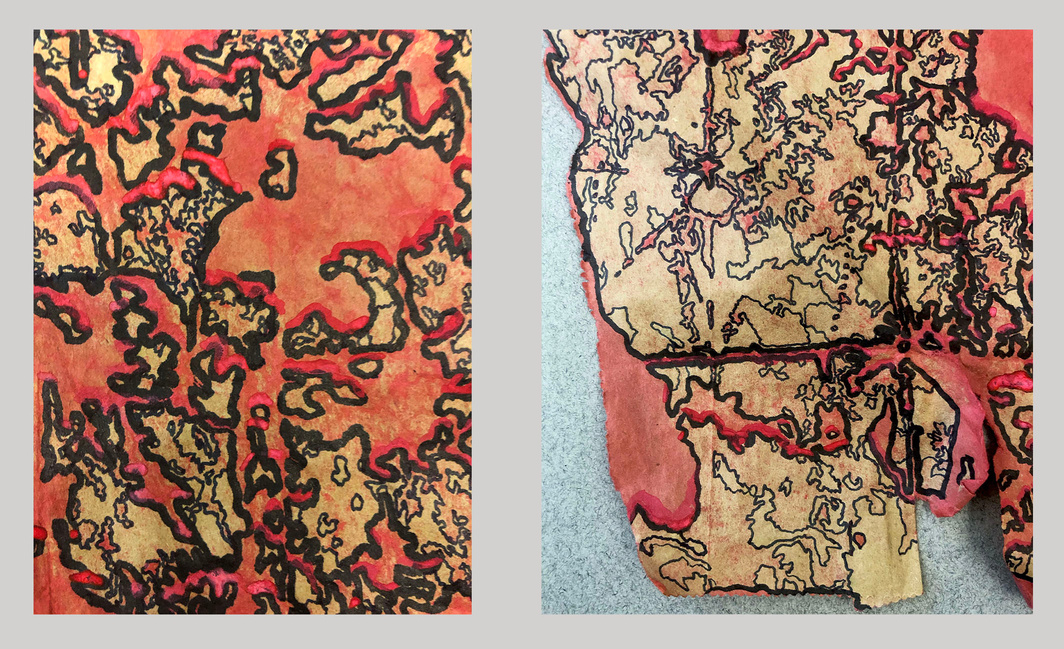
Crimson Detail
Created Using Deconstructed Paper Bag, Watercolor, Permanent Marker
I used this opportunity to showcase some of the fine detail in piece 6, including the delicacy of the line work and the natural rough edges of the paper bag.
#6
#7
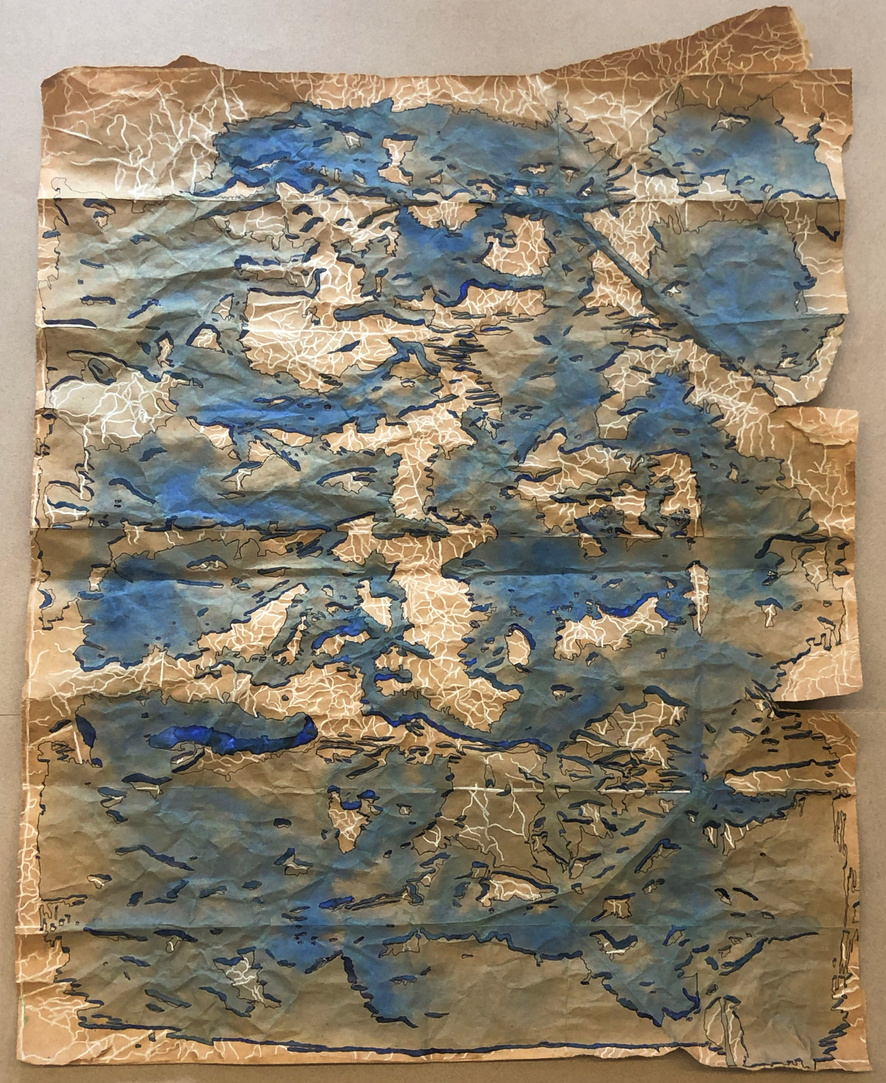
Daydream
Created Using Deconstructed Paper Bag, Watercolor, Permanent Marker
In Daydream, I built off of what I learned in the process of creating depth in Piece 5 to develop an even more effective outcome. That included creating dark outlines around traced watercolor that I had let find its own way down the paper after covering it with water.
I also utilized tracing the paper bag's creases in white to create unique patterns while keeping them all underneath the blue to create even more dimension. The piece ended up finding its way to look like a torn map, showcasing my method of allowing the process to guide me to a solution.
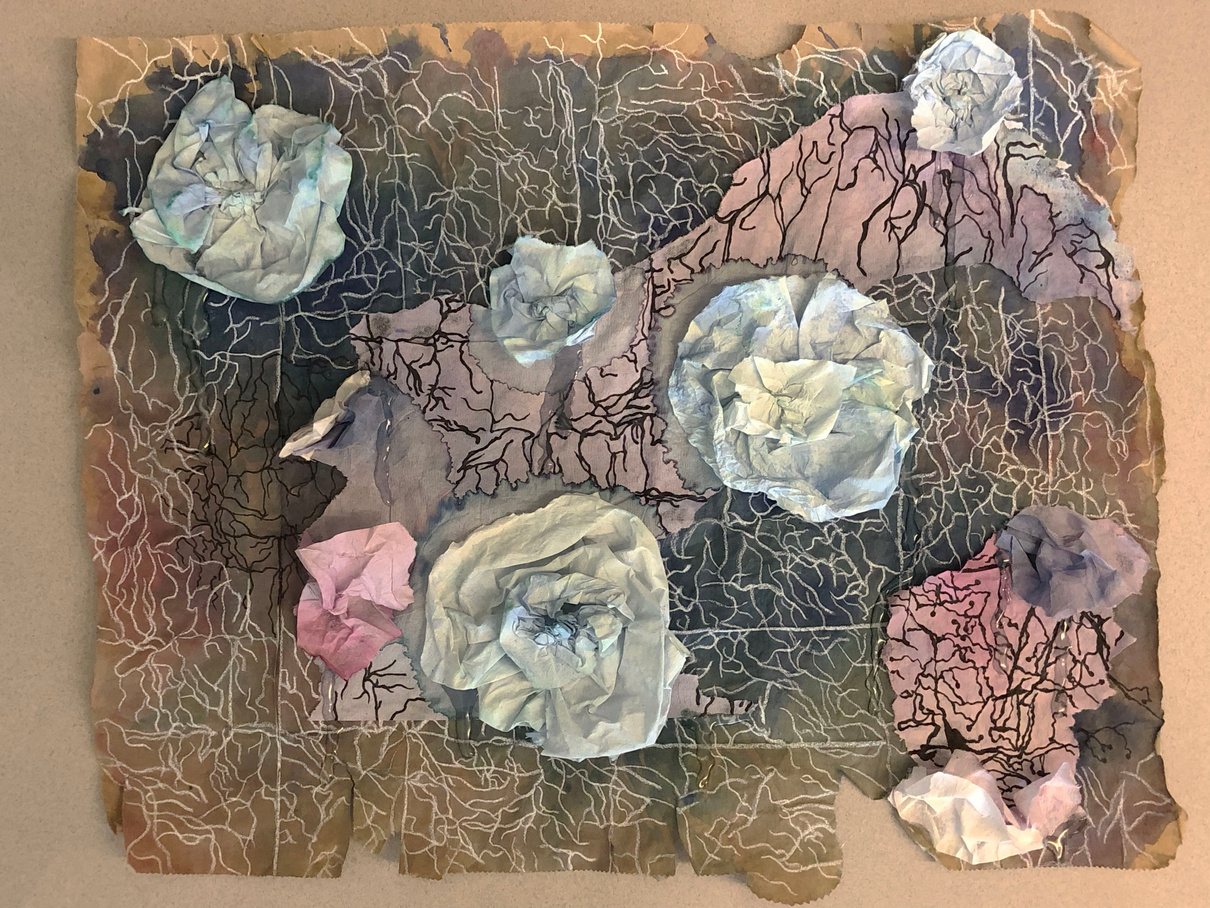
Blossom
Created Using Deconstructed Paper Bag, Colors Pencil, Permanent Marker, Watercolor, Paper Towel, Hot Glue
In the beginning stages of creating Blossom, I experimented with covering the paper bag in watercolor and then blotting it with paper towel to see what kind of texture it would create. However, the paper towel I used now had cloud-like patterns that I wanted to utilize.
So, I continued with tracing the bag's creases in white though I also traced some areas in black to create contrast. I then used my blotted paper towel to create flowers and a new surface on top of the paper bag, where I also traced its creases in black. Similar to Lique,
the drips of hot glue represent the flowers "melting".
#8
#9
Antagonist
Created Using Cardboard, Acrylic Paint, Watercolor, Colored Pencil, Cutout Paper Bag, Bubble Wrap
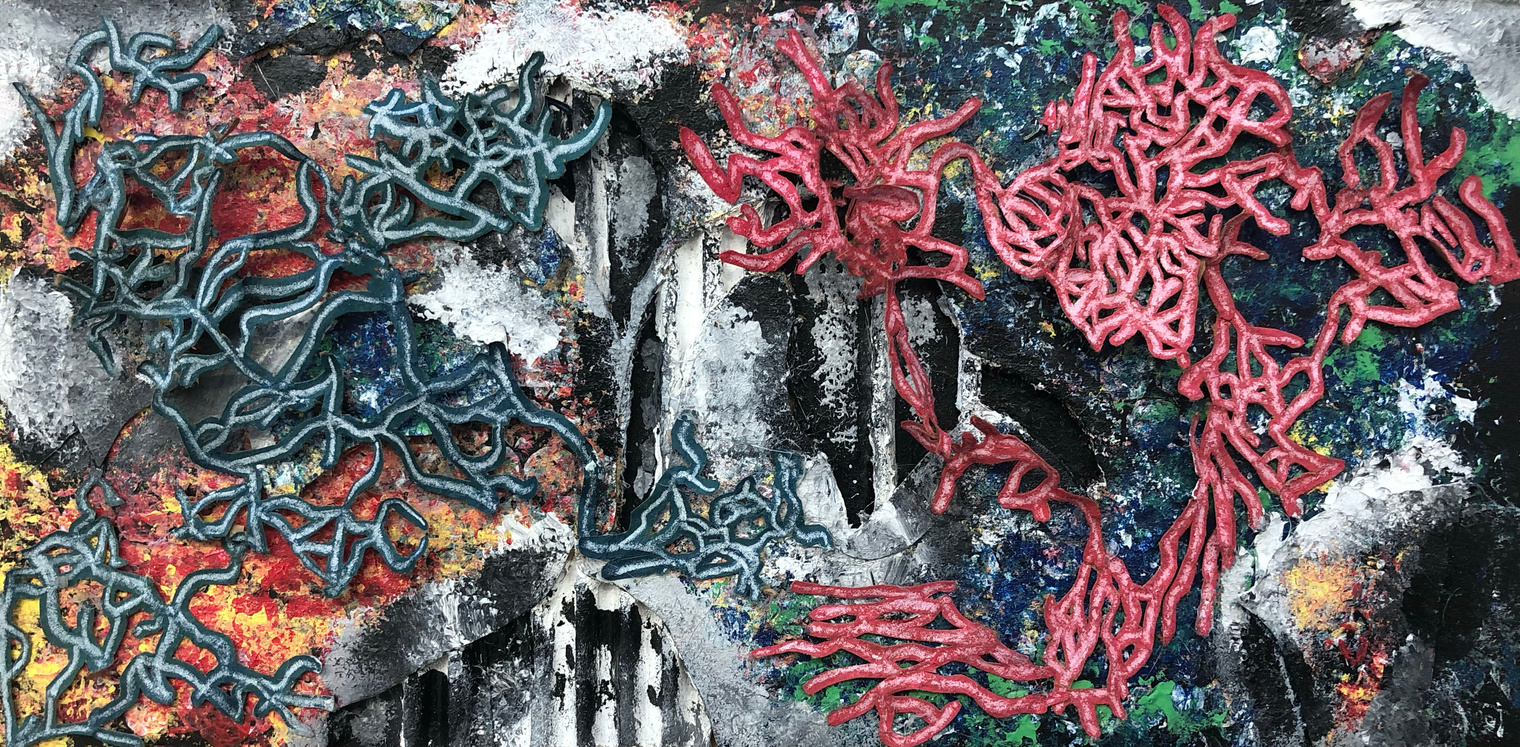
Antagonist was a piece that I had no pre-conceived notion of creating, and in the end turned into an experimentation of multiple techniques, both new and already used in my sustained investigation.
I attempted to use bubble wrap as a means of printing patterns onto my piece, and I cut out sections of paper bag that I had traced the creases of to create 3-dimensional, organic shapes.
Blackout
Created Using Deconstructed Paper Bag, Colored Pencil, Newspaper, Tape, Ink
To me, Blackout is one of the most pivotal pieces in my investigation. It showcases torn blackout poetry to convey destruction of effort, and how it can create something new.
I started by gathering news articles on climate change and created blackout poetry using them. I then printed the poetry onto a paper bag, which tore and broke the paper. I decided to embrace it's new destructive qualities by taping the poetry onto white areas of the piece, while creating geometric shapes in the printed, organic poetry.
#10
#11
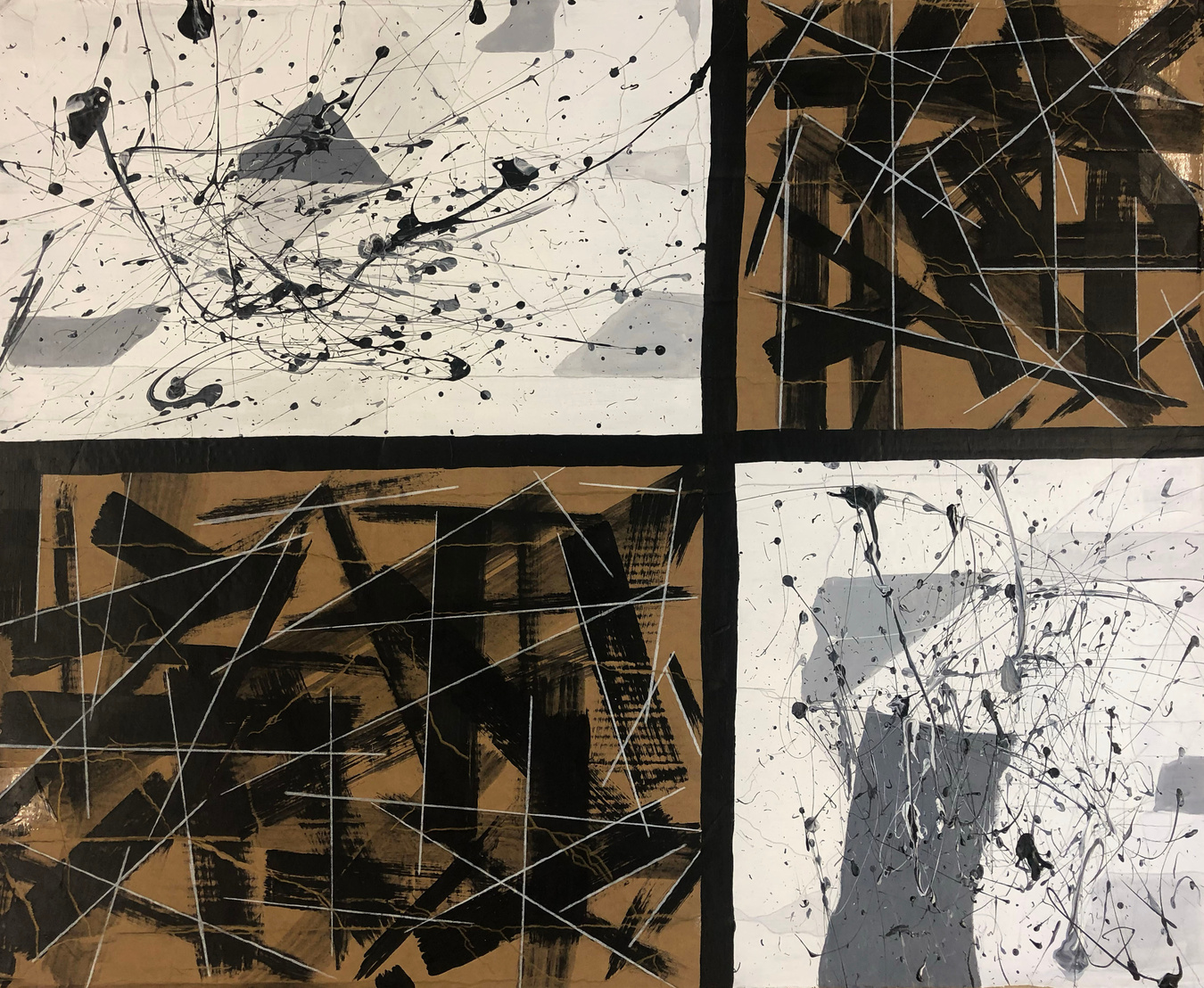
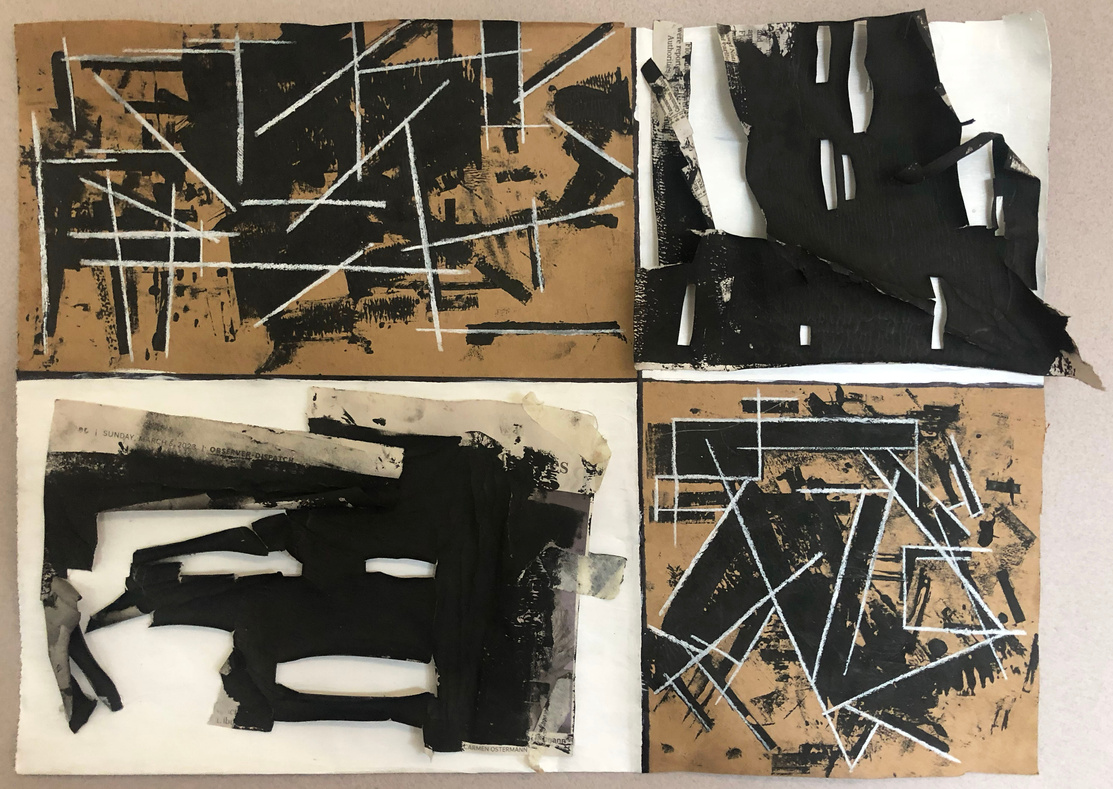
Breakout
Created Using Cardboard, Colored Pencil, Acrylic Paint
In Blackout, I used a similar composition to Piece 10, but significantly increased the dimensions of the piece. Instead of using blackout poetry, I used a large paintbrush with the strokes having different opacities.
When I was left to make use of the white boxes in my piece, I started by creating shapes that aligned with creases in the cardboard. However, I was unhappy with how the piece was turning out, and I began to splatter black and white paint over those areas. This was a huge step in my journey of art based on intuition.
Agonize
#12
Created Using Cardboard, Colored Pencils,
Acrylic Paint
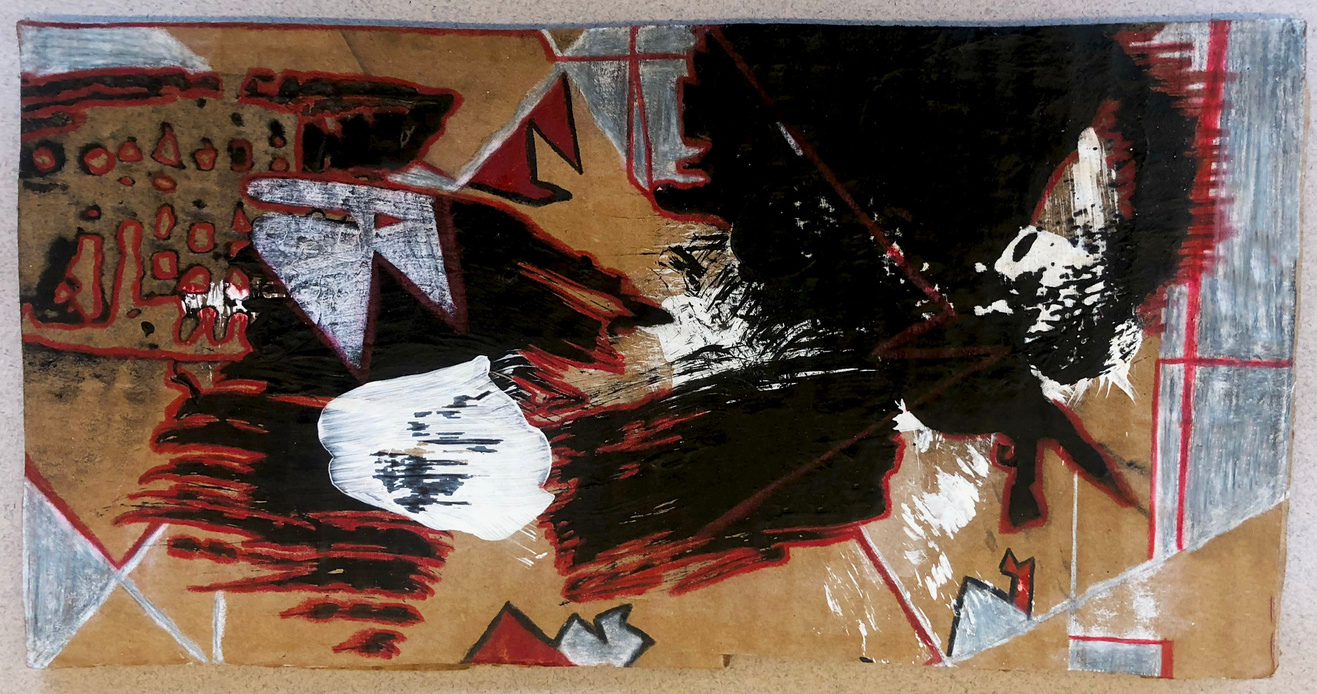
Similar to Piece 9, Agonize wasn't a work I planned to happen. It was originally was a pallet for work 11, and when I washed excess paint off the cardboard, patterns were left that I wanted to utilize to create an entirely new piece.
I decided against adding more paint to the work, instead using colored pencils to add more details and showcase what had been left by the original paint. I continued to explore the utilization of geometric shapes against organic ones.
#13
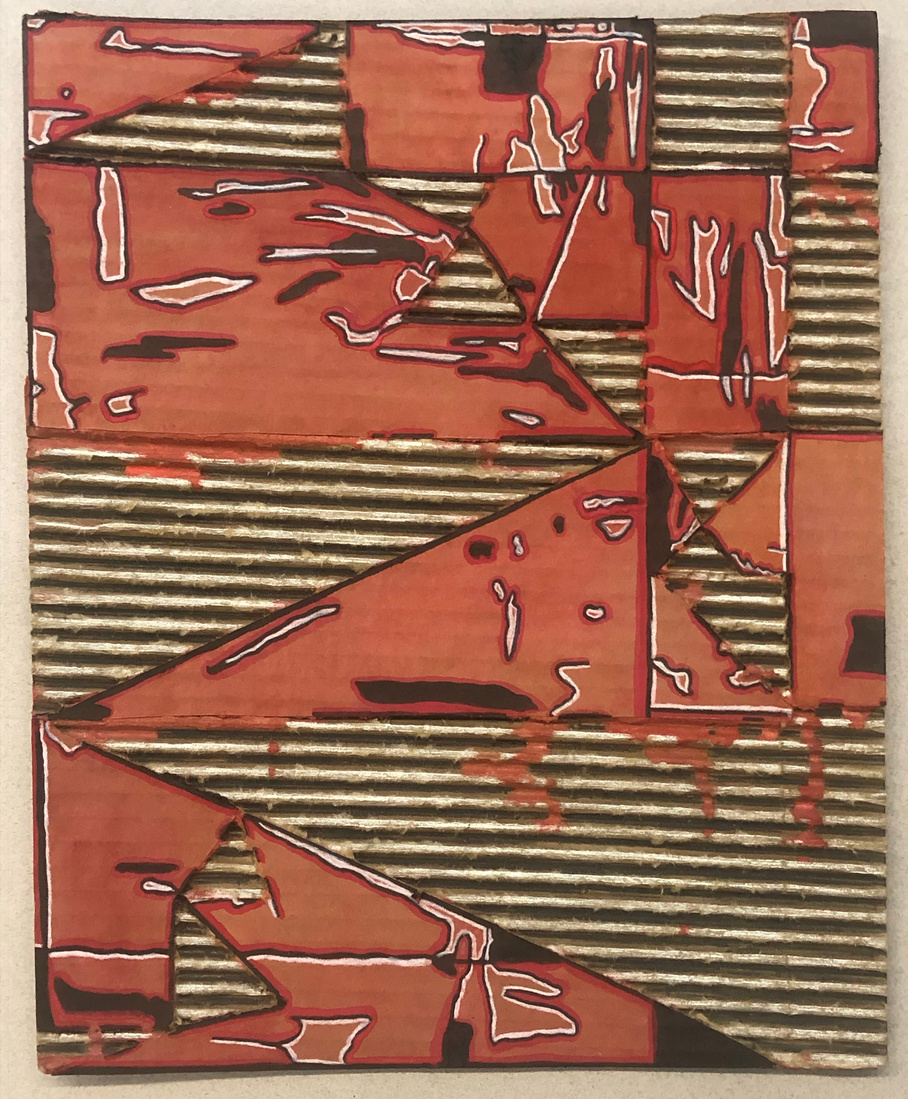
Conform
Created Using Cardboard, Permanent Marker, Watercolor, Colored Pencils
Through Conform, I continued to explore geometric patterns and utilized drips to convey organic aspects seeping into structure.
To create this piece, I cut out shapes on the top layer of cardboard. To bring in more organic aspects, I covered the geometric shapes in red watercolor and let the paint drip down onto the cardboard ridges. I then traced imprints in the cardboard or inconsistencies in the paint with black and white, along with using colored pencil to give the ridges contrast.
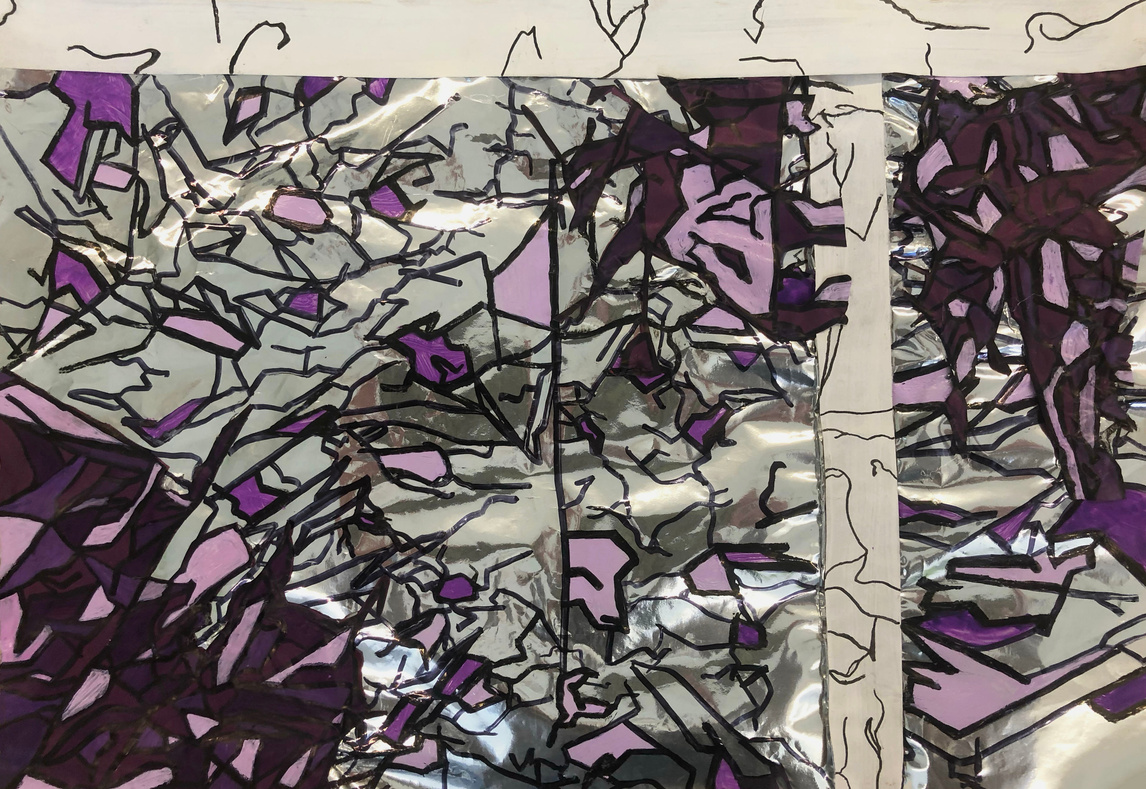
Fragment
Created Using Deconstructed Candy Bag, Paper, Permanent Marker, Acrylic Paint, Tissue Paper
In Fragment, I began my experimentation with reflective materials and how I can incorporate aspects of my other pieces into a completely new material.
To start my piece, I traced creases in the reflective candy bag, using multiple layers of permanent marker to counteract the glossy material. I also cut out pieces of purple tissue paper to go on top of the piece, painting in different shades to add subtle contrast. White pieces of paper were also placed over the piece, with the creases seeping into them to showcase
organic and geometric shapes
coinciding with each other.
#14
#15
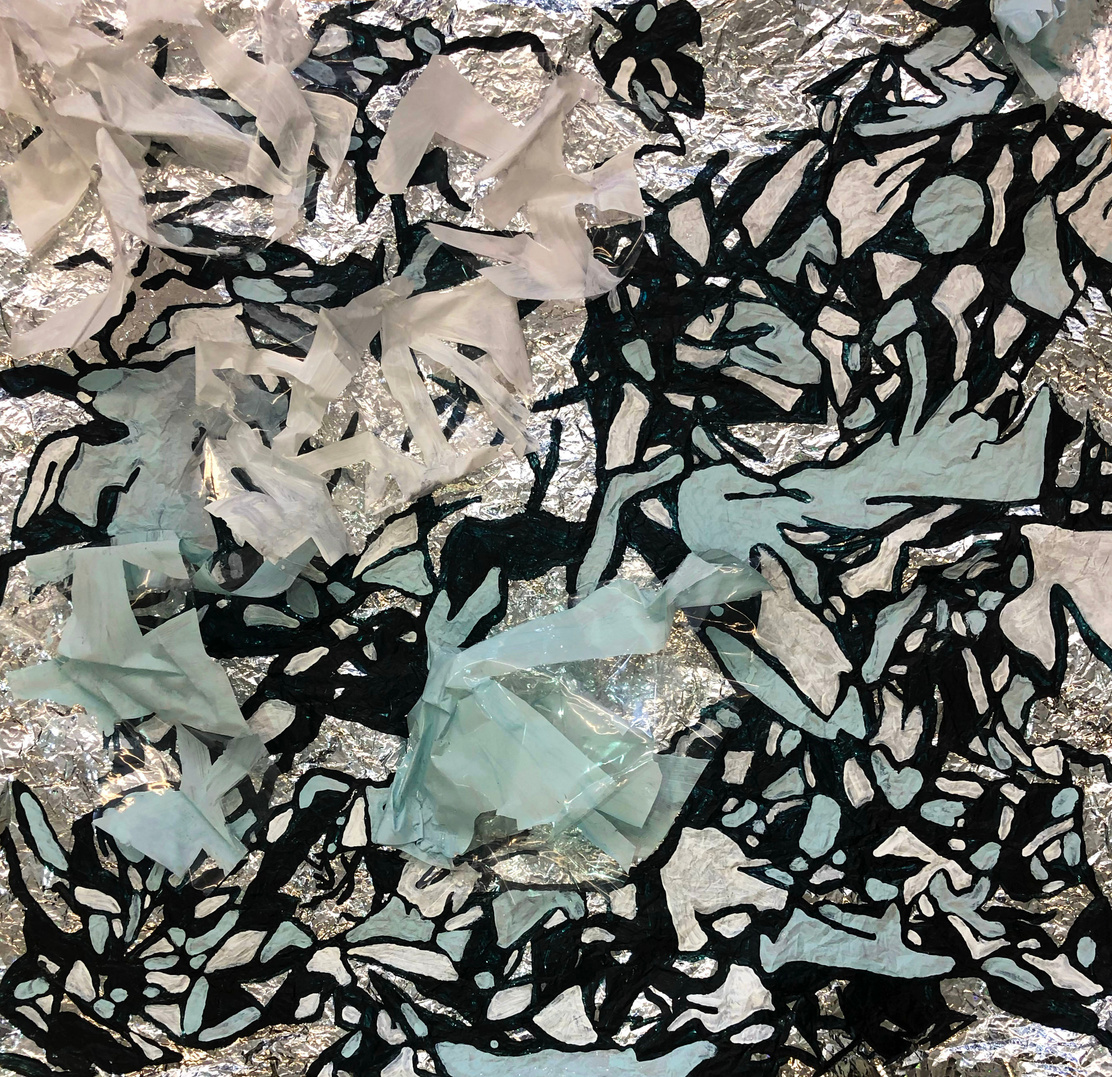
Reflection
Created Using Acrylic Paint, Silver Wrapping Paper, Clear Cellophane
As a background for Reflection, I decided to use silver wrapping paper that, when placed in sunlight, produced a glittering reflection. This reaction is a direct comparison to the message in my portfolio of finding beauty in what is often discarded or overlooked.
I traced large organic shapes in the wrapping paper with black paint, and later colored in some of those shapes with shades of blue, black, and white. I then experimented with painting on clear cellophane and attaching it to the piece to create 3-dimensional aspects.
Selected Works
My selected works consists of pieces that I felt best captured the skill I've gained throughout my artistic ventures.


Check out some other amazing artists!